Restaurants & Menus
Small Plates, Long Evenings
Small plates can lengthen a meal and invite cooperation, but repeated sharing also turns appetite, pace and fairness into a conversation of their own.
Explore the journal
How menus, dining rooms, service and design shape the experience before, during and after a meal.
Small plates can lengthen a meal and invite cooperation, but repeated sharing also turns appetite, pace and fairness into a conversation of their own.
Regulars give a restaurant continuity, but their belonging should make the room easier—not harder—for a newcomer to enter.
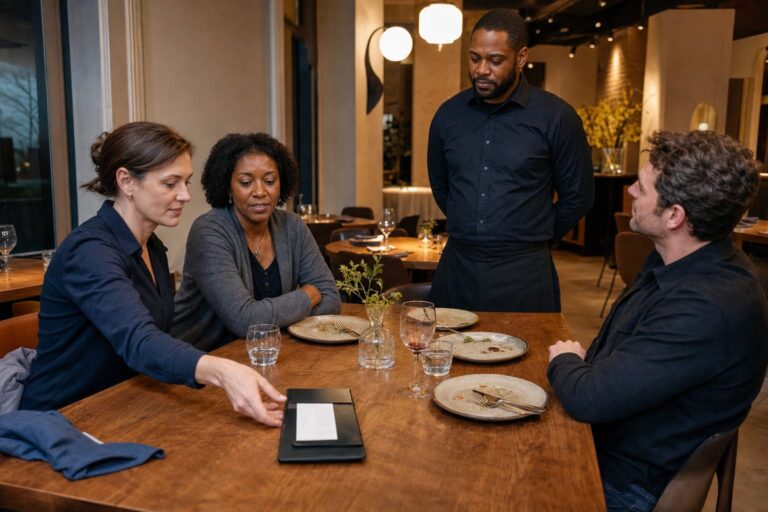
The bill does more than state a price. Its timing, clarity and presentation determine whether the final minutes of a meal feel like a graceful departure or an abrupt end to hospitality.
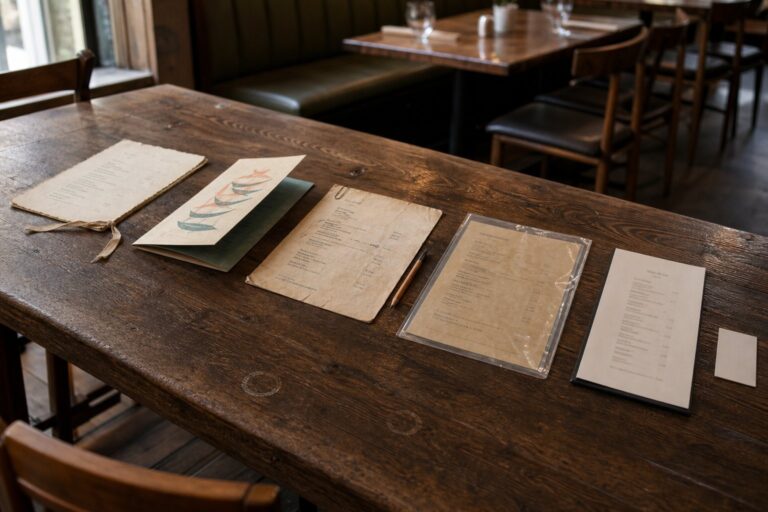
An old menu preserves more than dishes and prices. Its language, omissions and revisions reveal how a restaurant imagined its guests—and what it chose to forget.
A service script can protect accuracy and fairness, but hospitality weakens when the sequence becomes more important than the person sitting at the table.
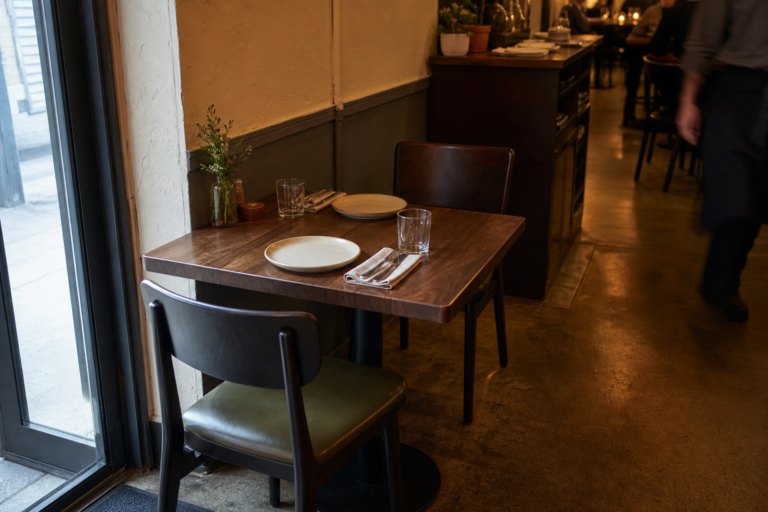
Drafts, noise and traffic expose whose comfort was considered when a restaurant arranged its floor.
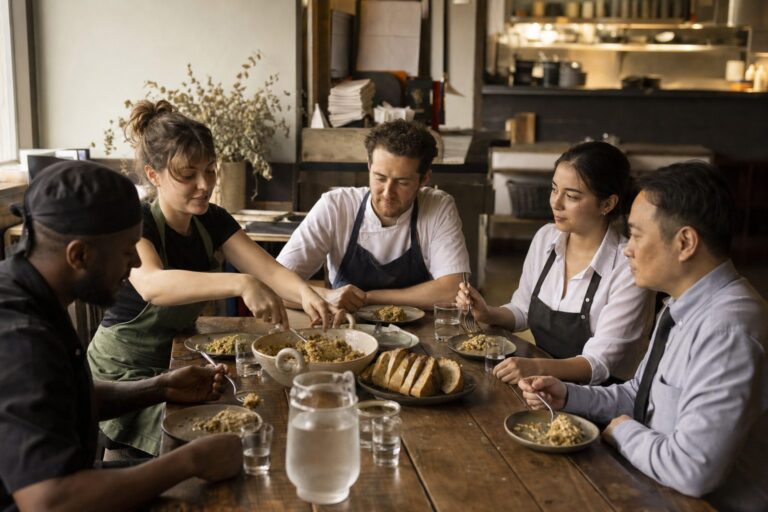
What restaurant workers eat together reveals hierarchy, care and the culture sustaining service out of guests' view.