Cultures & Traditions
The Customs We Carry to New Tables
Traditions survive not by remaining untouched, but by being remembered, adapted and offered again at new tables.
Explore the journal
Food customs carried across generations and places—and the ways they change while remaining alive.
Traditions survive not by remaining untouched, but by being remembered, adapted and offered again at new tables.
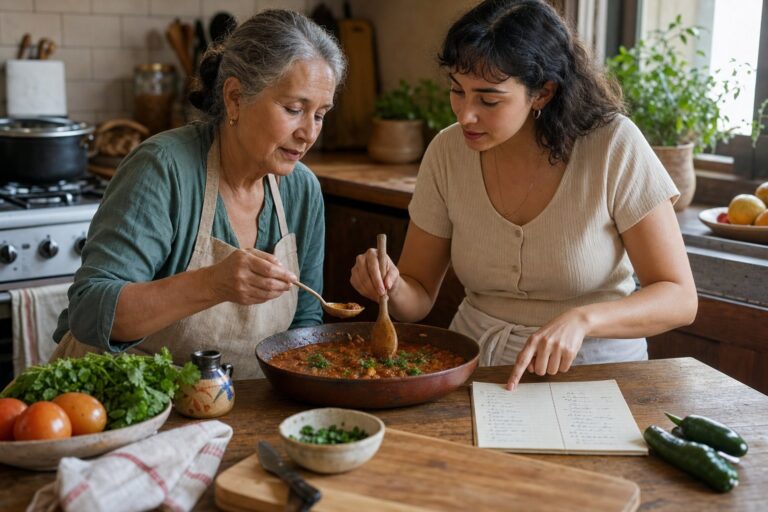
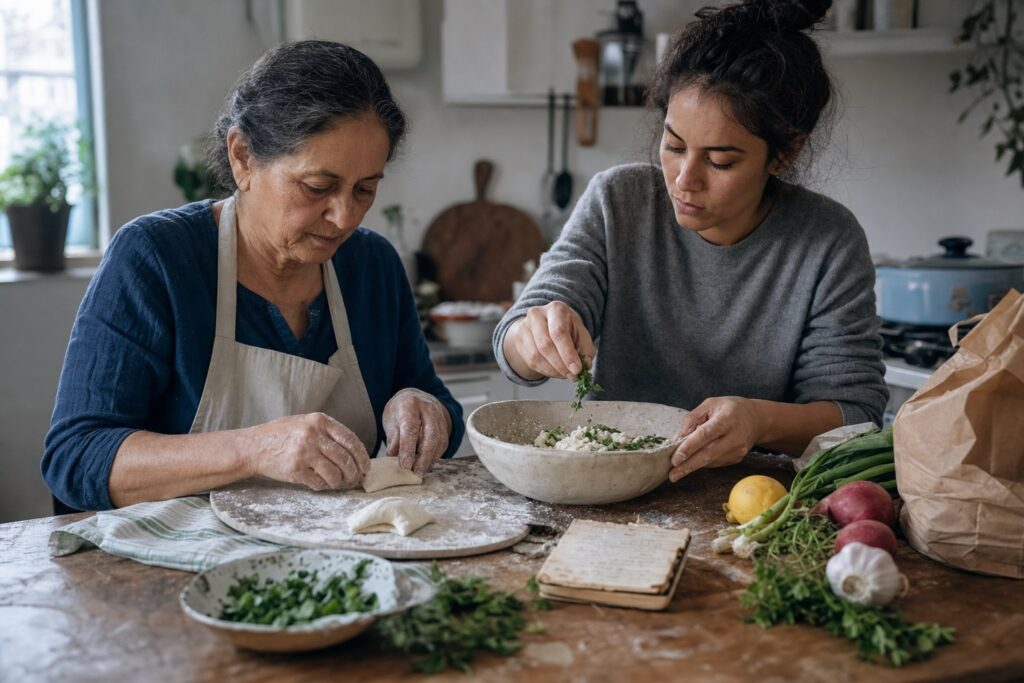
In a multilingual kitchen, ingredients, commands and affection do not cross languages evenly. What survives translation depends on words, gestures and the people cooking together.
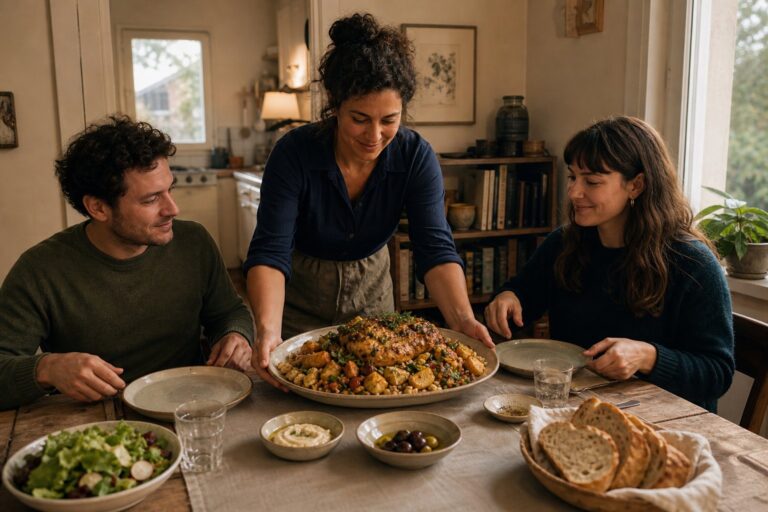
The food served to guests may be richer, rarer or more laborious than the household’s everyday meals. That generosity expresses honour while quietly redistributing cost and work.
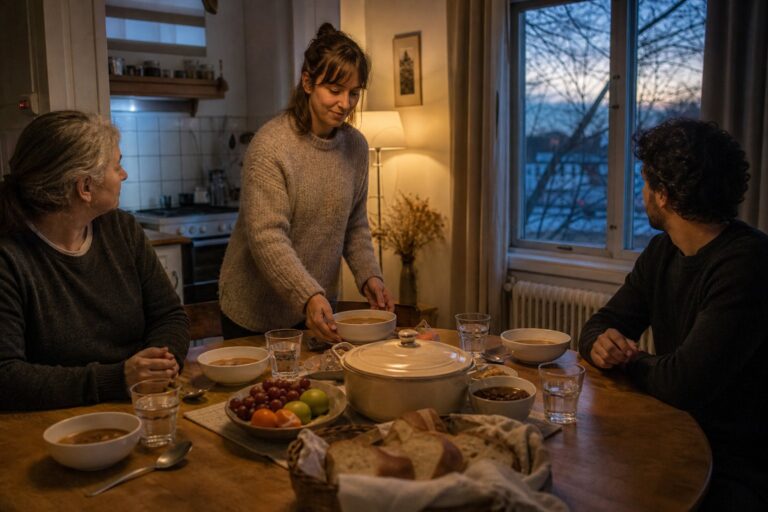
A communal fast coordinates bodies, clocks and attention before any food is shared. Its solidarity depends on care, exemptions and what the waiting asks people to notice.
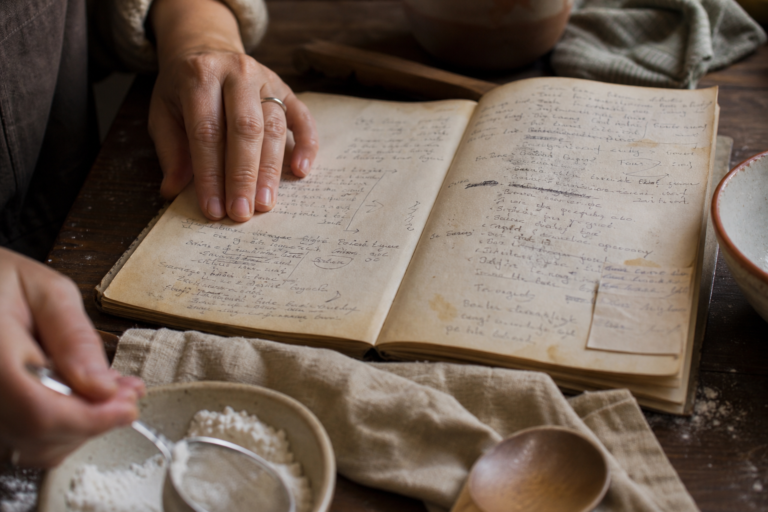
Corrections, substitutions and names in the margins reveal the lives through which a recipe has travelled.
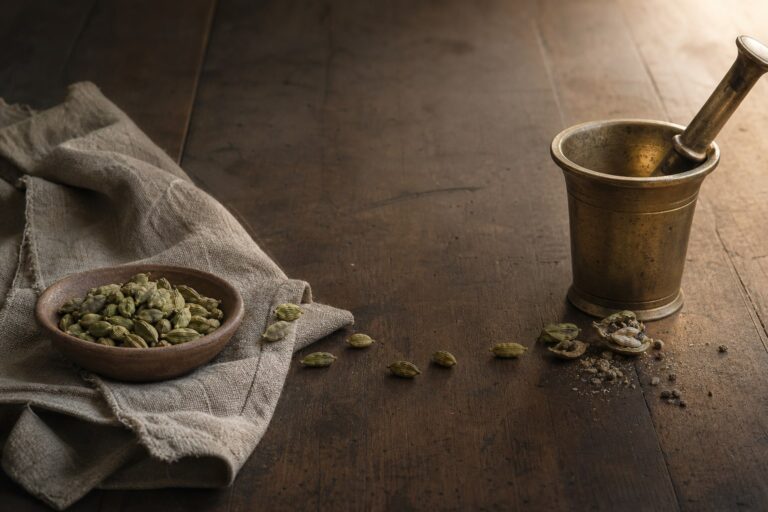
A single crushed cardamom pod can call several places to the same table. Its journey reveals how flavour carries landscape, labour and memory across borders.
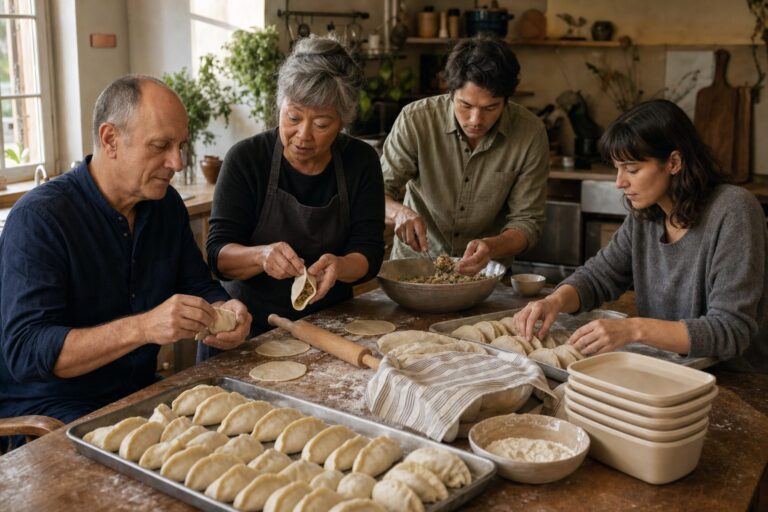
Celebration food begins before anyone sits down. Its waiting, repetition and shared labour help turn a date on the calendar into a special day.