Restaurants & Menus
Small Plates, Long Evenings
Small plates can lengthen a meal and invite cooperation, but repeated sharing also turns appetite, pace and fairness into a conversation of their own.
Eating Together journal
Essays and observations about hospitality, shared meals, traditions, menus, conversation, memory and belonging.
Small plates can lengthen a meal and invite cooperation, but repeated sharing also turns appetite, pace and fairness into a conversation of their own.
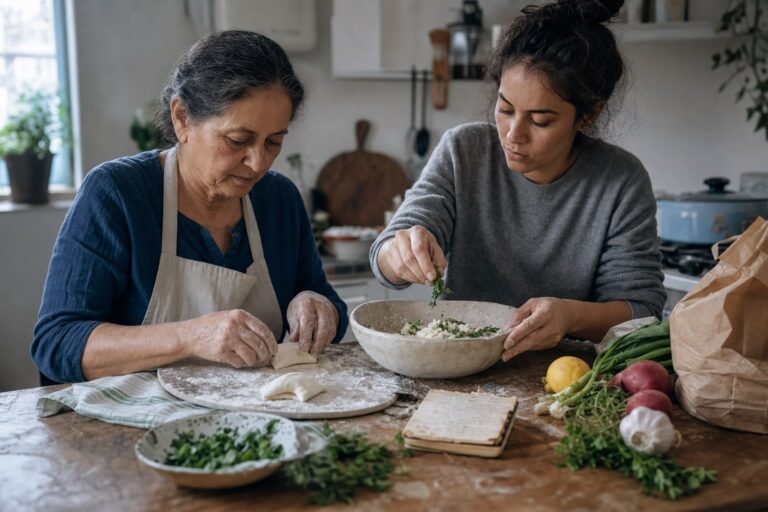
Traditions survive not by remaining untouched, but by being remembered, adapted and offered again at new tables.
After an argument, passing bread or clearing plates can reopen ordinary cooperation without pretending the harm has been resolved. A shared meal may be a beginning, not a conclusion.
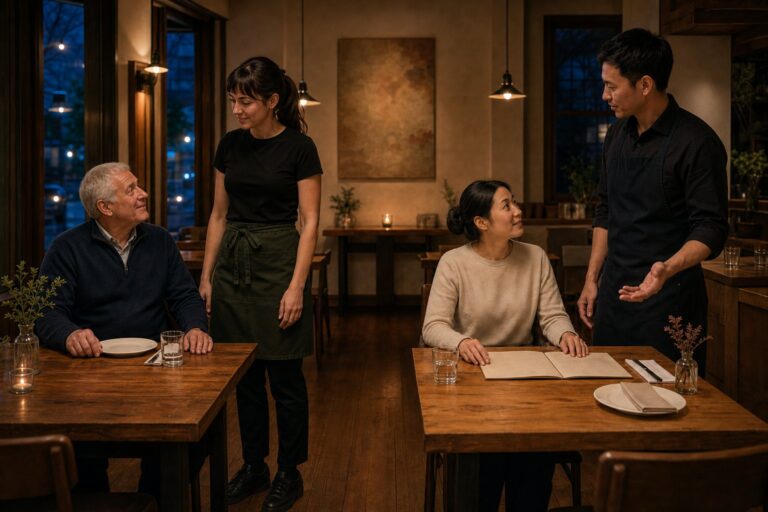
“What do you recommend?” is not a request for the server’s favourite dish alone. It is an invitation to translate a menu into one guest’s appetite, budget and occasion.
Regulars give a restaurant continuity, but their belonging should make the room easier—not harder—for a newcomer to enter.
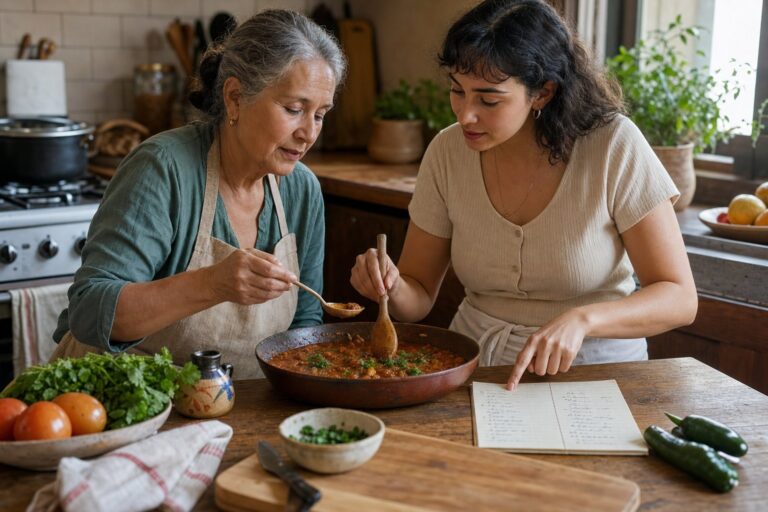
In a multilingual kitchen, ingredients, commands and affection do not cross languages evenly. What survives translation depends on words, gestures and the people cooking together.
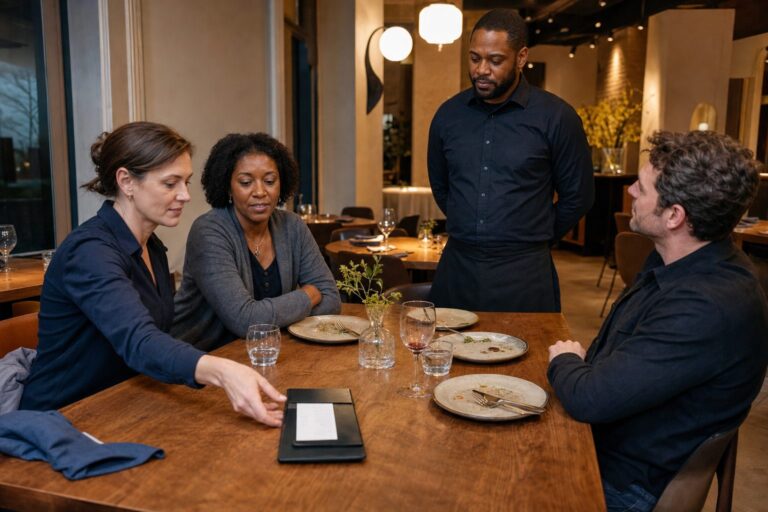
The bill does more than state a price. Its timing, clarity and presentation determine whether the final minutes of a meal feel like a graceful departure or an abrupt end to hospitality.
An empty chair can mean delay, distance, conflict, illness or death. What a table does with that place reveals how people negotiate absence without erasing belonging.
Three ordinary words can carry affection, pride, insistence and a history of how people express care.
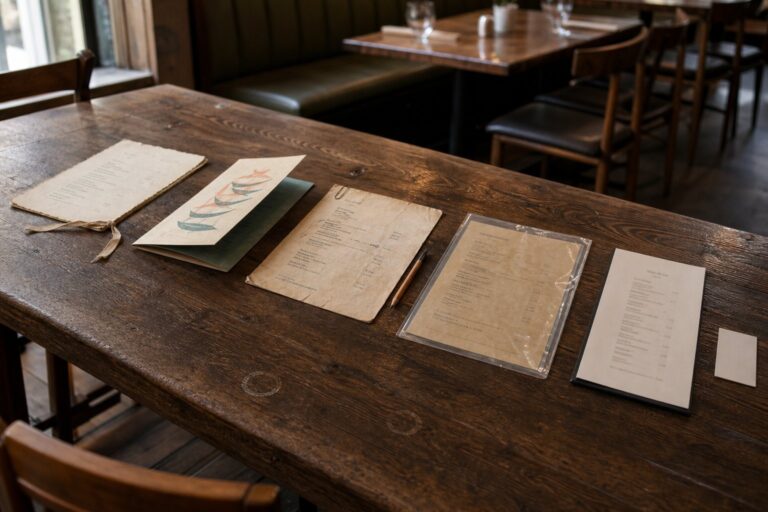
An old menu preserves more than dishes and prices. Its language, omissions and revisions reveal how a restaurant imagined its guests—and what it chose to forget.