Words at the Table
The Meaning of “Help Yourself”
At another person’s table, “help yourself” grants freedom while quietly asking the guest to understand what may be taken, how much is welcome and how belonging works in this home.
Eating Together journal
Essays and observations about hospitality, shared meals, traditions, menus, conversation, memory and belonging.
At another person’s table, “help yourself” grants freedom while quietly asking the guest to understand what may be taken, how much is welcome and how belonging works in this home.
A single crushed cardamom pod can call several places to the same table. Its journey reveals how flavour carries landscape, labour and memory across borders.
Hospitality becomes more generous when preparation supports the gathering without requiring the host to conceal every limit, mistake and trace of ordinary life.
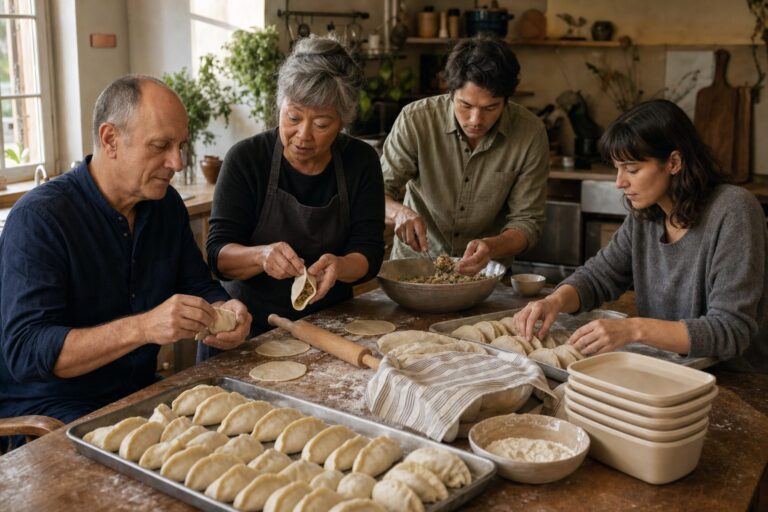
Celebration food begins before anyone sits down. Its waiting, repetition and shared labour help turn a date on the calendar into a special day.
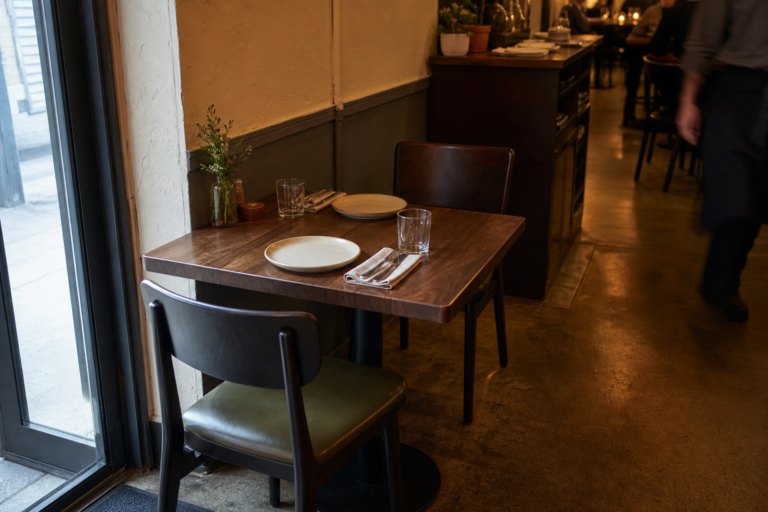
Drafts, noise and traffic expose whose comfort was considered when a restaurant arranged its floor.
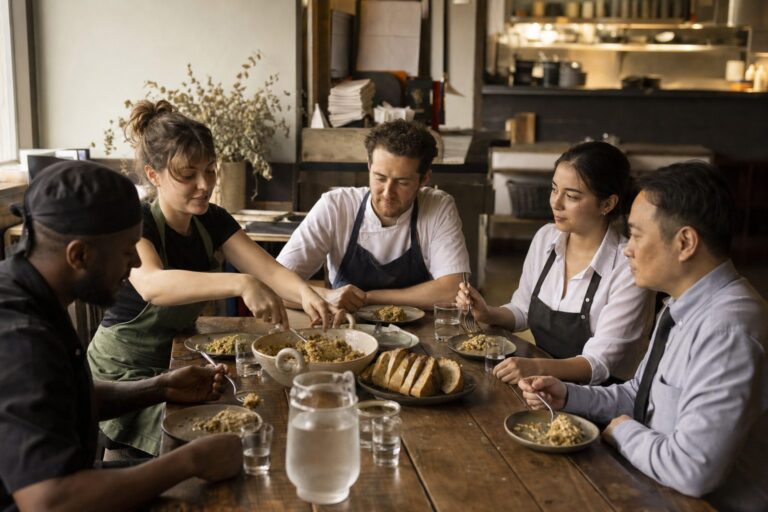
What restaurant workers eat together reveals hierarchy, care and the culture sustaining service out of guests' view.
Restaurants can explain unfamiliar dishes without stripping away their names, histories or the pleasure of discovery.
An early knock interrupts preparation but may replace polished hosting with a more generous and participatory kind of arrival.
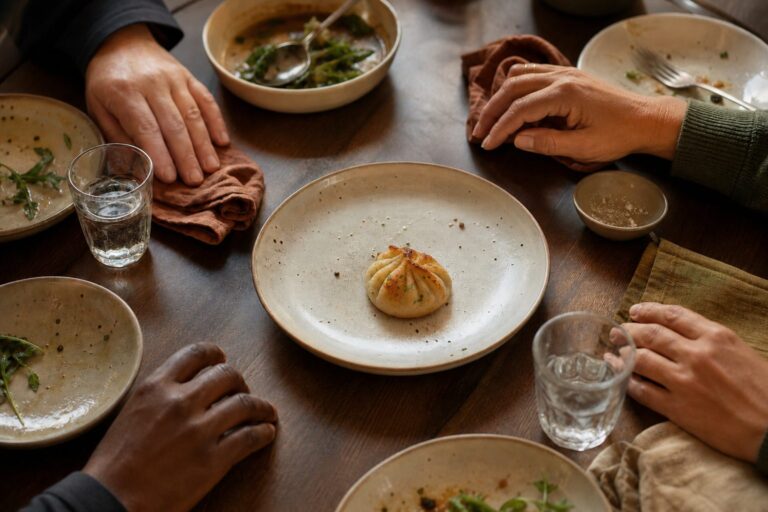
The final bite exposes generosity, hesitation, hierarchy and the unwritten rules people bring to a shared meal.
Every table arranges more than food. It reveals who was expected, who carries the work and how people make room for one another.